New Year’s Day Traditions from Around the World to Ensure Good Luck and Prosperity
- koadofthecrossroad
- 3 days ago
- 3 min read
New Year’s Day carries a powerful energy, a fresh start filled with hope and the promise of abundance. Across the world, people embrace unique customs designed to attract good luck and prosperity for the coming year. These traditions often involve food, rituals, and symbolic acts that connect us to ancient beliefs and magickal practices. Exploring these customs reveals how different cultures invite fortune and harmony into their lives as the calendar turns.
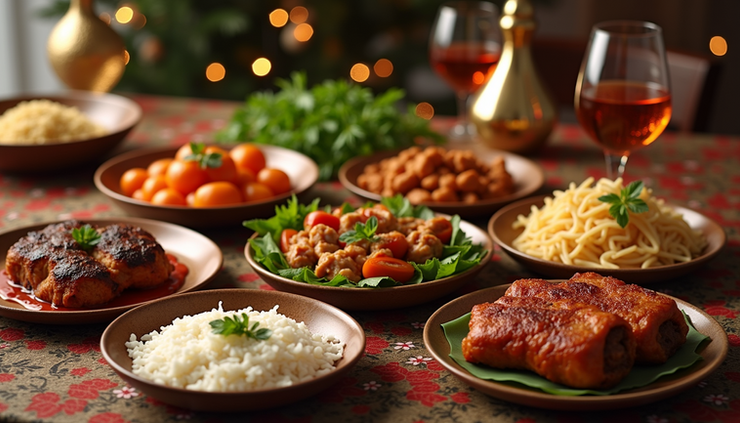
Sweet Basil to Season Your New Year’s Day Meal
In many magickal traditions, herbs hold special power. Sweet basil, in particular, is believed to bring good luck and prosperity when included in New Year’s Day meals. Its aromatic leaves are more than just a flavorful addition; they carry the essence of protection and abundance. Sprinkling sweet basil over your dishes or using it in sauces can infuse your feast with positive energy that lasts throughout the year.
The Welsh Custom of Calenning
In Wales, a charming New Year’s tradition called calenning involves young boys collecting gifts to ensure good fortune. These boys carry twigs and a cup of cold water as they visit neighbors’ homes. They splash water using the twigs, a symbolic act meant to cleanse and bless the household. In return, they receive small gifts of loose change. This ritual blends community spirit with the hope of prosperity, creating a joyful exchange that welcomes the new year with generosity.
Hoppin’ John: A Southern Tradition for Luck
Among African-American communities, the dish Hoppin’ John is a staple of New Year’s Day feasts. Made from black-eyed peas, rice, and ham hocks, this meal is steeped in symbolism. Black-eyed peas represent coins, rice stands for abundance, and ham hocks add richness. Eating Hoppin’ John is believed to bring good luck and financial prosperity. Many families serve it with collard greens, which symbolize wealth, making the meal a powerful charm for the year ahead.
Toasting to Chase Away Evil Spirits
Raising a glass on New Year’s Day is more than a celebratory gesture. The clinking of glasses is a ritual designed to drive away evil spirits and negative energy. The sharp sound created by the toast is thought to break any lingering bad luck and clear the way for blessings. Whether you use champagne, cider, or a simple cup of tea, the act of toasting connects us to ancient customs that protect and invite good fortune.
Global Safeguards and Charms for the New Year
Around the world, New Year’s Day is filled with actions meant to safeguard the future. People kiss strangers to spread goodwill, shoot guns into the air to ward off evil, toll bells to announce new beginnings, and exchange gifts that symbolize prosperity. Common gifts include herring, bread, and fuel for the fire—each carrying its own meaning:
Herring represents abundance from the sea.
Bread symbolizes sustenance and life.
Fuel for the fire ensures warmth and comfort through the cold months.
These offerings are practical and symbolic, blending everyday needs with spiritual protection.
Visiting Day in America: Food and Song for Prosperity
In America, New Year’s Day has long been known as “visiting day.” Families prepare gifts of food to share with neighbors and friends, hoping to increase prosperity for all. Along with these gifts, verbal wishes of goodwill and even songs are offered. Even those who are not musically gifted join in, singing gallantly to spread joy and positive energy. This tradition strengthens community bonds and sets a hopeful tone for the year.
Sauerkraut and Spek: German Traditions in the Mid-Atlantic
German immigrants brought a beloved custom to the mid-Atlantic states: eating sauerkraut with pork, known as sauerkraut und spek. Sauerkraut, made from fermented cabbage, symbolizes longevity and prosperity. Pork, representing progress and wealth, complements the dish. This hearty meal is believed to ensure harmony and financial success in the coming year. The tradition continues to thrive, connecting families to their heritage and the magick of the season.
Cabbage and Caraway Seeds for Luck and Plenty
Eating cabbage on New Year’s Day is a widespread practice linked to good fortune. Cabbage grows quickly and abundantly, making it a natural symbol of plenty. Including caraway seeds in your dishes adds another layer of meaning, as these seeds represent prosperity and growth. Together, cabbage and caraway seeds create a simple yet powerful charm for a healthy and lucky new year.


Comments