Exploring the Pagan Roots of Christmas Traditions Around the World
- koadofthecrossroad
- Nov 28
- 2 min read
Christmas is often seen as a time of joy, family gatherings, and religious celebration. Yet, many customs we cherish today have deep roots in ancient Pagan beliefs and rituals. These traditions reveal a fascinating blend of folklore, superstition, and cultural practices that predate Christianity. Exploring these origins offers a magical glimpse into how ancient peoples sought to protect themselves and celebrate the turning of the year.
Ancient Greek Traditions to Ward Off Misfortune
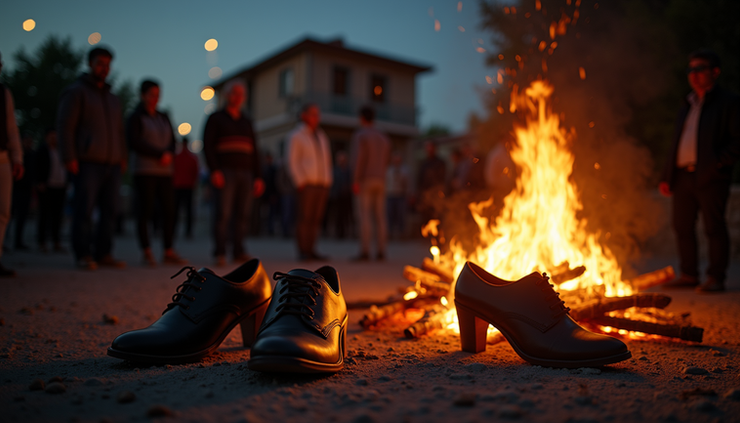
In Greece, one unusual custom involves burning old shoes during the Christmas season. This practice is not merely symbolic but is believed to ward off misfortune in the coming year. The roots of this ritual trace back to ancient Greek family bonfires. These fires were lit to frighten away the Kallikantzaroi, mischievous goblin-like creatures said to roam the earth during the twelve days of Christmas.
The Kallikantzaroi were thought to cause trouble and bring bad luck, especially to newborns and vulnerable family members. By burning old shoes, families symbolically discarded their past troubles and created a protective barrier against these dark spirits. This ritual connects the modern celebration with a time when fire was a powerful tool against unseen forces.
Trolls and the Swedish Christmas Eve Tradition
In Sweden, the Christmas Eve night holds a mysterious power. It is believed that trolls and other supernatural beings roam freely from dusk until dawn. Because of this, many Swedes choose to stay indoors during these hours, avoiding the risk of encountering these wandering spirits.
This practice reflects a deep respect for the unseen world and a desire to keep the household safe from harm. The trolls are not just mythical creatures but represent the unpredictable forces of nature during the darkest time of the year. Staying inside becomes a protective act, a way to honor the boundary between the human world and the magickal realm.
The Danger of Spirits in Greece and Poland
Both Greece and Poland share a belief that Christmas Eve and Christmas Day are dangerous times to be outside. In Greece, the Kallikantzaroi continue their mischief, while in Poland, werewolves are said to roam the countryside. These creatures are believed to capture the spirit of newborns, using it for their own dark purposes.
This fear shaped many customs, such as keeping newborns indoors and performing protective rituals. The idea that spirits and monsters are active during this sacred time highlights the tension between light and darkness, safety and danger, that ancient peoples felt keenly during the winter solstice period.
Babies Born on Christmas Day Are Blessed
Interestingly, folklore also offers hope. It was believed that ghosts refused to come out of hiding on Christmas Day itself. Because of this, babies born on this day were thought to be forever free from ghostly troubles. This belief imbues Christmas with a sense of protection and blessing, linking the birth of Christ with a spiritual shield against evil.
This tradition celebrates the power of light and new beginnings, reinforcing the idea that Christmas is a time when darkness retreats and life renews.


Comments